

อย่าลังเลที่จะส่งข้อความ
แจ็คเก็ตเดี่ยว, ซับยาง EPDM คุณสมบัติ •แจ็คเก็ตโพลีเอสเตอร์ความดื้อรั้นสูง 100%, ซั...
In the world of artificial snow production, the snow-making hose is a critical component that ensures the efficient and reliable transport of water under high pressure and freezing conditions. Although it may appear similar to a standard water hose, its internal structure, material composition, and performance specifications are vastly different. Understanding these differences is essential for operators of ski resorts, snow parks, and winter sports facilities seeking to optimize their snow-making systems.
The main structural distinction between a standard water hose and a snow-making hose lies in their ability to handle high pressure and extreme cold. Snow-making hoses are built to withstand the operational stresses of snow machines, which require water delivery at pressures ranging from 20 to 60 bar (290–870 psi) and temperatures that can drop well below freezing. Standard hoses, on the other hand, are designed primarily for garden or industrial use, with much lower pressure ratings and limited temperature resistance.
| Feature | Standard Water Hose | Snow-Making Hose |
| Pressure Capacity | 3–10 bar | 20–60 bar |
| Temperature Range | 0°C to 40°C | -40°C to 80°C |
| Outer Cover Material | PVC or Rubber | Thermoplastic Polyurethane (TPU) or Reinforced Rubber |
| Flexibility at Low Temperatures | Limited | High Flexibility |
Material selection is one of the defining factors separating a snow-making hose from an ordinary water hose. Snow-making hoses are typically constructed from layers of thermoplastic polyurethane (TPU) , synthetic rubber , or EPDM reinforced with textile braids or steel wire. These materials provide superior flexibility, abrasion resistance, and cold-weather performance. The multi-layer construction prevents cracking or bursting under sudden temperature fluctuations.
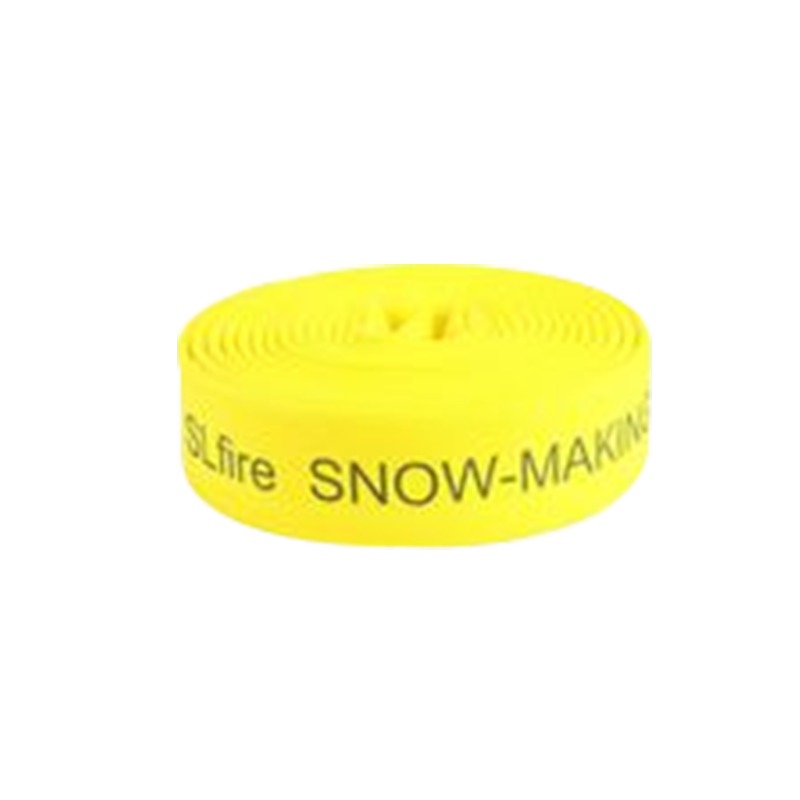
A snow-making hose must perform under significantly higher pressure than a standard water hose. During artificial snow production, high-pressure water and compressed air are combined to generate fine ice particles. The hose must therefore resist internal bursting while maintaining flexibility for movement on uneven or icy terrains.
While standard hoses typically operate below 10 bar, snow-making hoses are tested for burst pressures exceeding 100 bar. This ensures operational safety and reliability, even when systems experience surges due to pump fluctuations or temperature changes.
Unlike garden hoses that become rigid or crack at subzero temperatures, snow-making hoses remain flexible down to -40°C. This allows operators to move and connect hoses easily in freezing conditions, reducing downtime during snow production.
Another critical distinction between standard water hoses and snow-making hoses lies in their weight and handling characteristics. Snow-making hoses are heavier due to their multiple reinforced layers and thick walls, but they are designed for easy deployment and coiling. Some manufacturers offer lightweight variants made from high-grade TPU for improved maneuverability without compromising strength.
Snow-making hoses often come with camlock or quick-connect fittings that allow rapid setup between snow guns and pumps. Standard hoses typically rely on threaded connections, which can freeze or leak in subzero environments.
Proper maintenance plays a vital role in extending the life of snow-making hoses. Due to their exposure to extreme cold, water pressure, and mechanical abrasion, these hoses require regular inspection and storage care. Their durable construction, however, allows for multiple seasons of use, far surpassing the lifespan of ordinary water hoses.
While standard water hoses are suitable for gardening, light washing, or irrigation, snow-making hoses serve a very different purpose. They are designed for ski resorts, winter sports venues, and artificial snow production systems that demand durability, flexibility, and resistance to cold and pressure.
| Application | Standard Hose | Snow-Making Hose |
| Home & Garden Use | Excellent | Not Suitable |
| Industrial Water Delivery | Moderate | Good |
| Artificial Snow Production | Poor | Excellent |
The difference between a standard water hose and a snow-making hose extends far beyond visual appearance. Snow-making hoses are purpose-built for high-pressure, low-temperature environments where performance and reliability are critical. With reinforced materials, superior flexibility, and resistance to extreme cold, they ensure uninterrupted operation in snow production systems. Choosing the right snow-making hose not only enhances efficiency but also extends the lifespan of your entire snow-making setup.
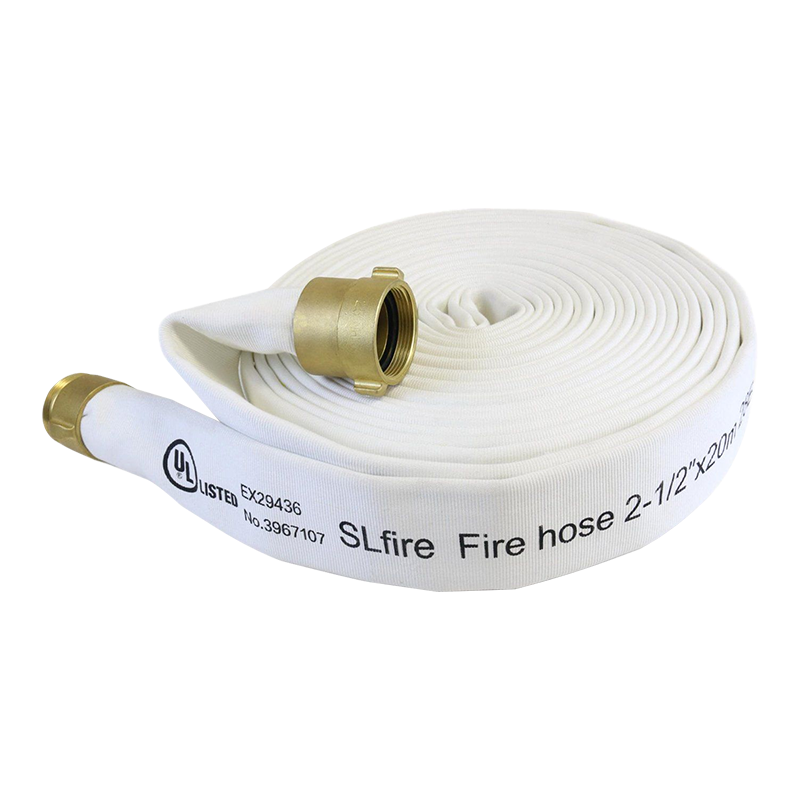
แจ็คเก็ตเดี่ยว, ซับยาง EPDM คุณสมบัติ •แจ็คเก็ตโพลีเอสเตอร์ความดื้อรั้นสูง 100%, ซั...
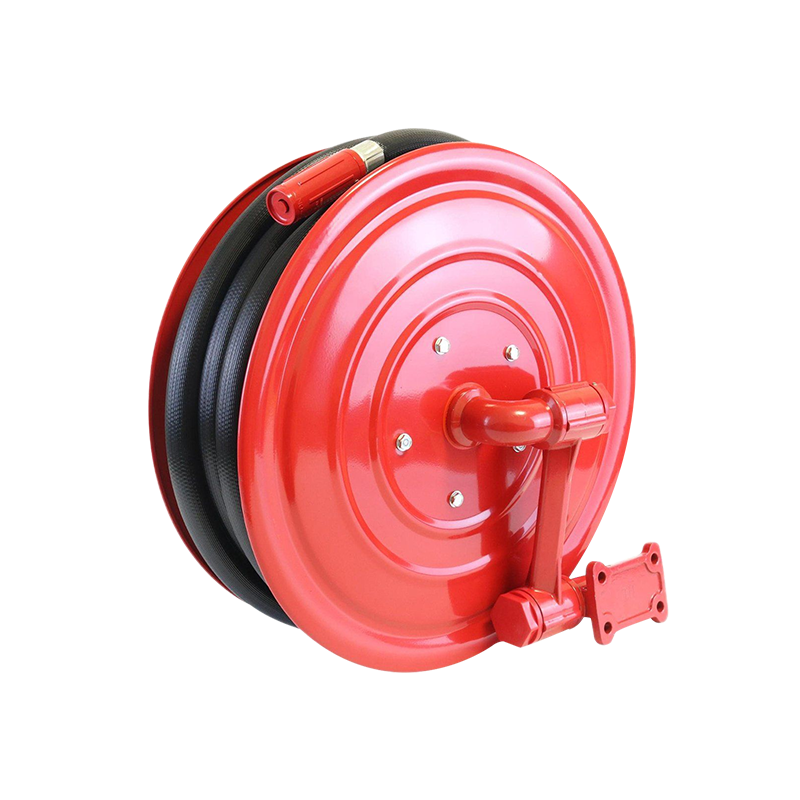
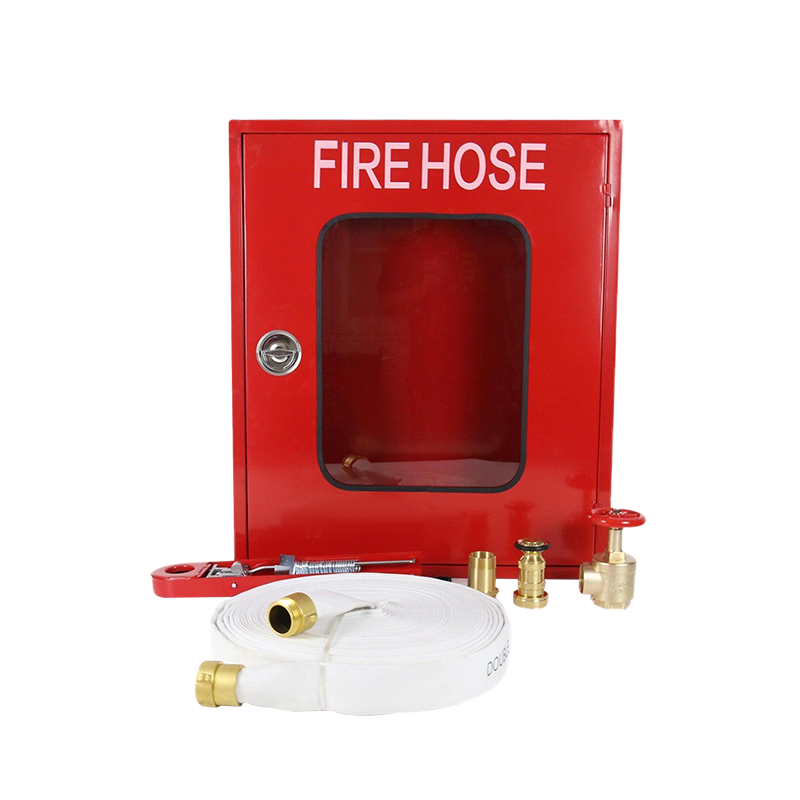
ตู้ดับเพลิงได้รับการออกแบบมาเพื่อรองรับท่อดับเพลิงวาล์วและอุปกรณ์ดับเพลิงอื่น ๆ Type 201 ป...
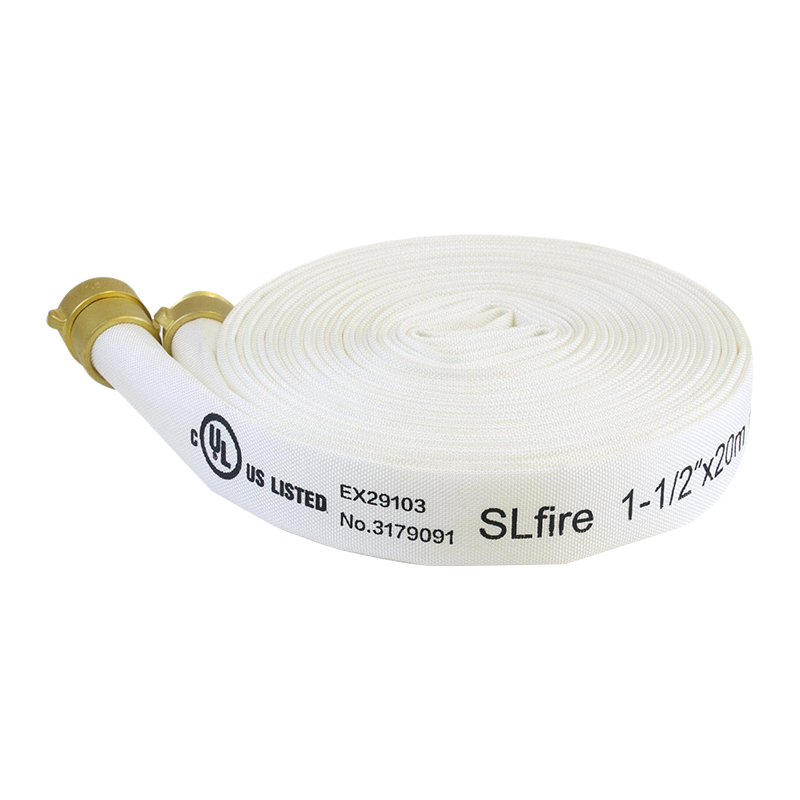
แจ็คเก็ตเดี่ยว, tpu liner •เส้นด้ายโพลีเอสเตอร์ที่มีความสามารถสูงทอเป็นวงกลมในทอผ้าทอผ้าทอ...
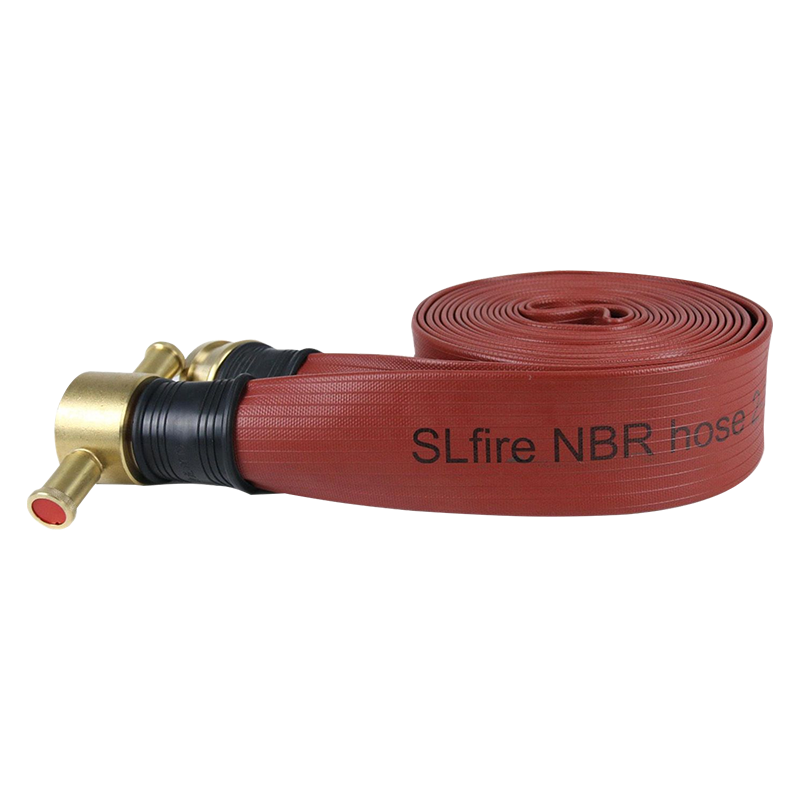
ท่อไนตริล •ไนไตรล์/TPR ผสมผสานเป็นฝาครอบและซับในด้วยการเสริมแรงเส้นด้ายโพลีเอสเตอร์สูง 100...
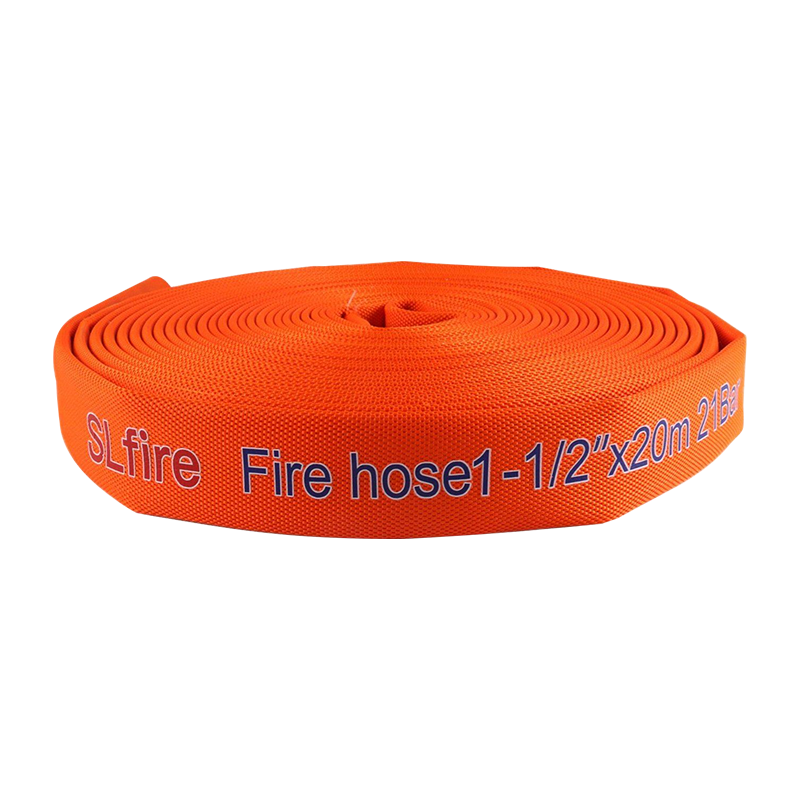
แจ็คเก็ตเดี่ยว, tpu liner •เส้นด้ายโพลีเอสเตอร์ที่มีความสามารถสูง, ทอแบบวงกลมในทอผ้าทอผ้าท...
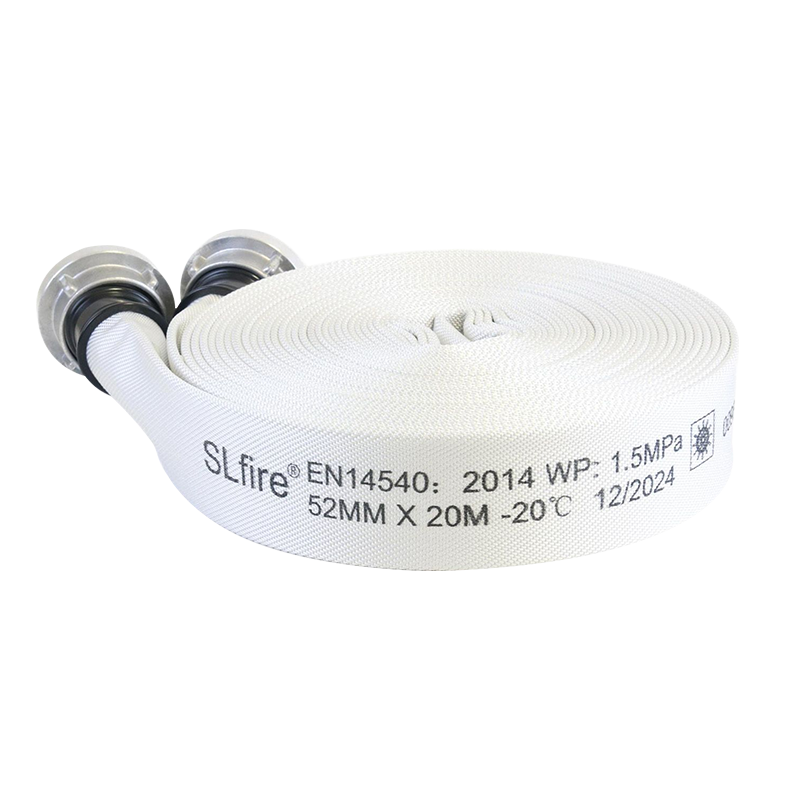
ท่อทางทะเล แจ็คเก็ตเดี่ยว, PVC liner •เส้นด้ายโพลีเอสเตอร์ความดื้อรั้นสูง 100% ทอเป...
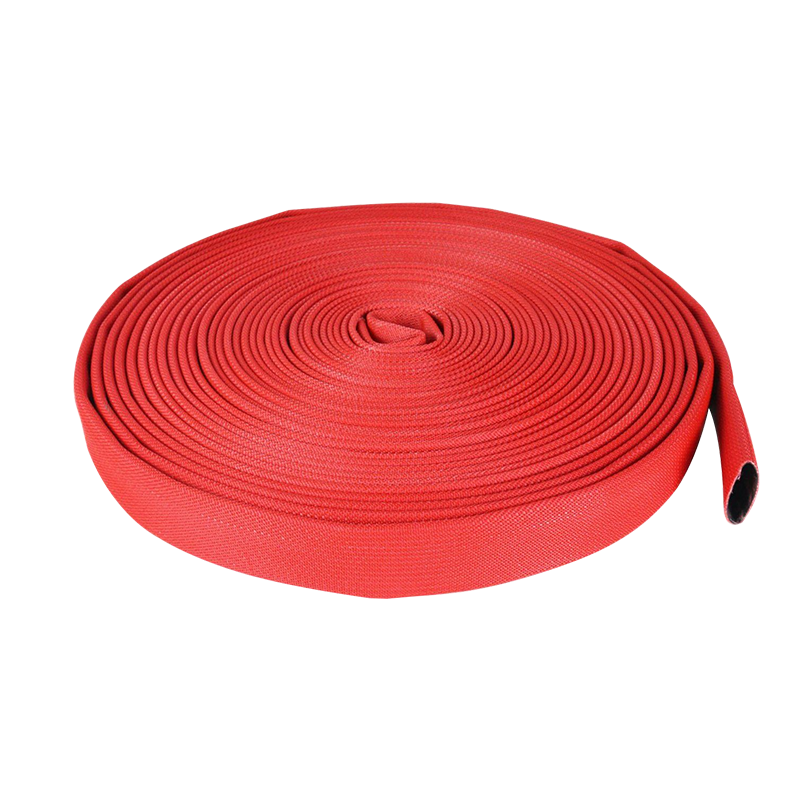
ท่อทางทะเล แจ็คเก็ตเดี่ยว, PVC Liner, PU Coated •เส้นด้ายโพลีเอสเตอร์ความดื้อรั้นสู...
 โทรหาเรา
+86 159-5116-9511
ต้องการการสนับสนุน
สำนักงานใหญ่
No.58, Kechuang Road, Sixiang Street Medicine District Gaoxin District Taizhou, มณฑลเจียงซู

ลูกเรือที่ยืดแนวโจมตีเข้าไปในโครงสร้างที่ลุกไหม้จะตัดสินใจได้ก่อนที่หัวฉีดจะเปิดออกด้วยซ้ำ: หัวฉีดชนิดใดที่ปลายท่อ การเจาะที่เรียบพร้อมปลายคงที่ให้กระแสน้ำที่เจาะทะลุได้อย่างมั่นคง หัวพ่นหมอกสาม...
Copyright © Taizhou Shenlong วิทยาศาสตร์ดับเพลิงและเทคโนโลยี บริษัท จำกัด All Rights Reserved.
 ผู้ผลิตท่อดับเพลิงโรงงานท่อน้ำดับเพลิง